
Technology Beyond the Hazard Zone
When It’s Too Dangerous for People, Technology Steps In
Industrial emergencies can create conditions where traditional response methods are no longer safe or practical. Fire, structural damage, contamination, unstable equipment, and the threat of explosion can make critical areas inaccessible, even when immediate action is still required.
In those moments, innovation becomes more than a convenience. It becomes part of the response strategy.
A recent field report, Lessons from the Field: A Case Study of Robotic Intervention in an Industrial Emergency, documents the successful deployment of a robotic task force following a fire at a chemical plant. The incident created an explosive gas hazard inside an environment considered too dangerous for human responders to enter.
A Critical Valve in an Inaccessible Environment
To help neutralize the threat, responders deployed an unmanned ground vehicle, or UGV, equipped with a custom-built manipulation tool.
The robot was tasked with reaching and opening a critical valve under hazardous conditions. By completing that operation remotely, the response team was able to reduce the explosive gas hazard and avert the possibility of a much larger incident without placing personnel directly inside the affected area.
The mission offers a compelling example of how remotely operated equipment can support human decision-making during complex industrial emergencies. The robot did not replace the responders directing the operation. Instead, it extended their ability to act where physical access was restricted.
Protecting Responders While Preserving Control
One of the clearest advantages of robotic intervention is the ability to create distance between personnel and immediate danger.
In environments involving combustible gases, chemical contamination, extreme heat, damaged infrastructure, or uncertain structural conditions, even routine actions can carry extraordinary risk. A task as straightforward as turning a valve may become impossible when approaching that valve could expose a worker to fire, toxic substances, or explosion.
Robotic systems can provide responders with another option. They may be used to inspect inaccessible areas, collect visual and environmental information, transport sensors, manipulate equipment, or perform targeted physical tasks while operators remain outside the highest-risk zone.
This does not eliminate the need for trained emergency personnel. In fact, effective robotic deployment depends heavily on experienced operators, careful planning, reliable communication, and a clear understanding of the hazards involved.
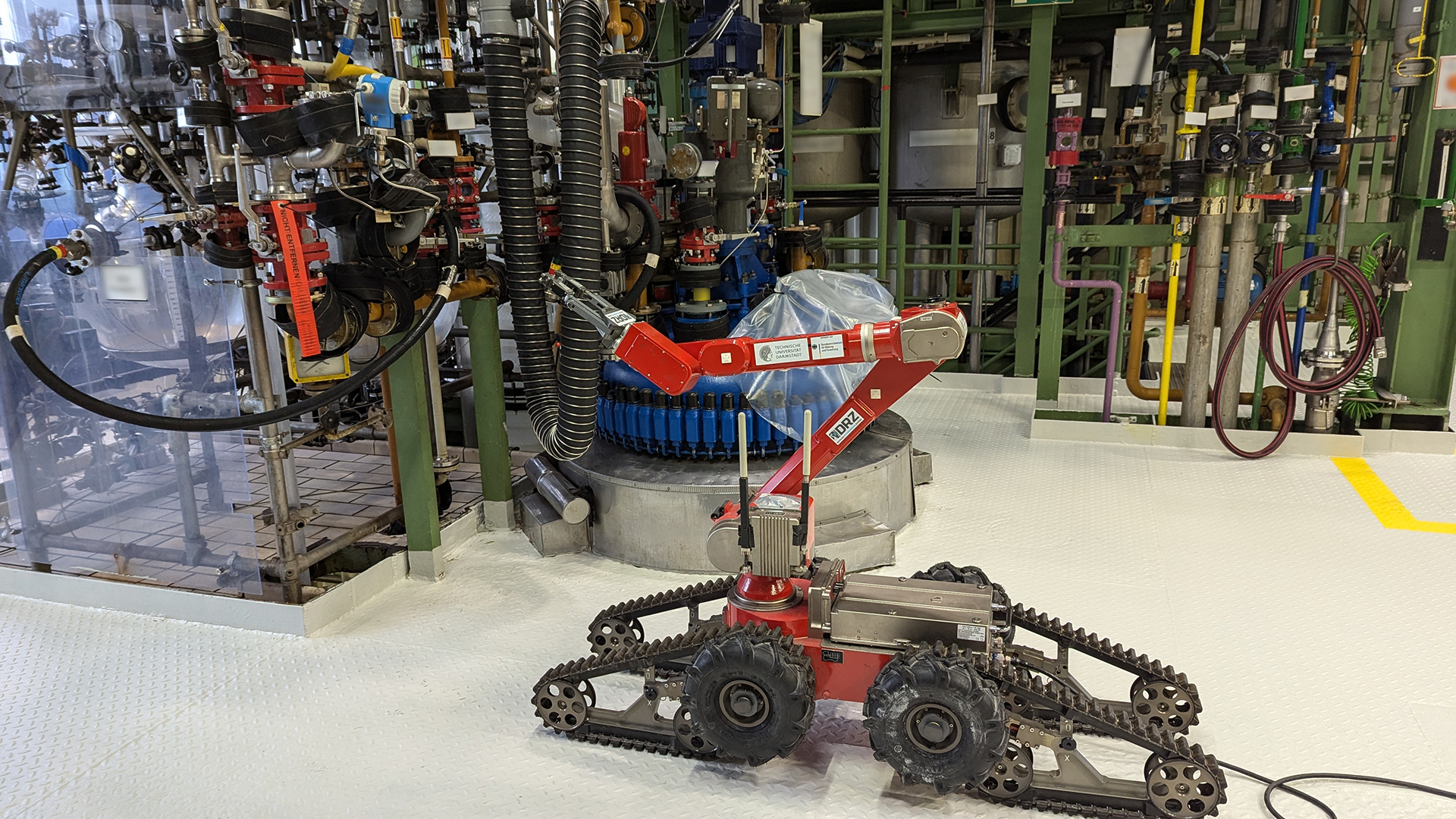
Unmanned Ground Vehicle (UGV)
Real-World Deployment Reveals Real-World Limitations
The case study also makes an important distinction between controlled demonstrations and actual emergency operations.
Research platforms may perform successfully in laboratories or training environments, but real industrial sites introduce unpredictable obstacles. Communication can become unreliable inside dense structures. Visibility may be poor. Heat, debris, damaged surfaces, narrow access points, and unfamiliar equipment can complicate navigation and manipulation.
The researchers specifically identified communication constraints and the need for stronger operator-assistance capabilities as limitations encountered during the deployment. These findings are valuable because they show where rescue robotics must continue to improve before such systems can become more widely integrated into emergency response.
The lesson is not that robotics offers a flawless answer. It is that these technologies can provide an additional layer of capability when human access is limited, provided they are supported by proper training, planning, and operational judgment.
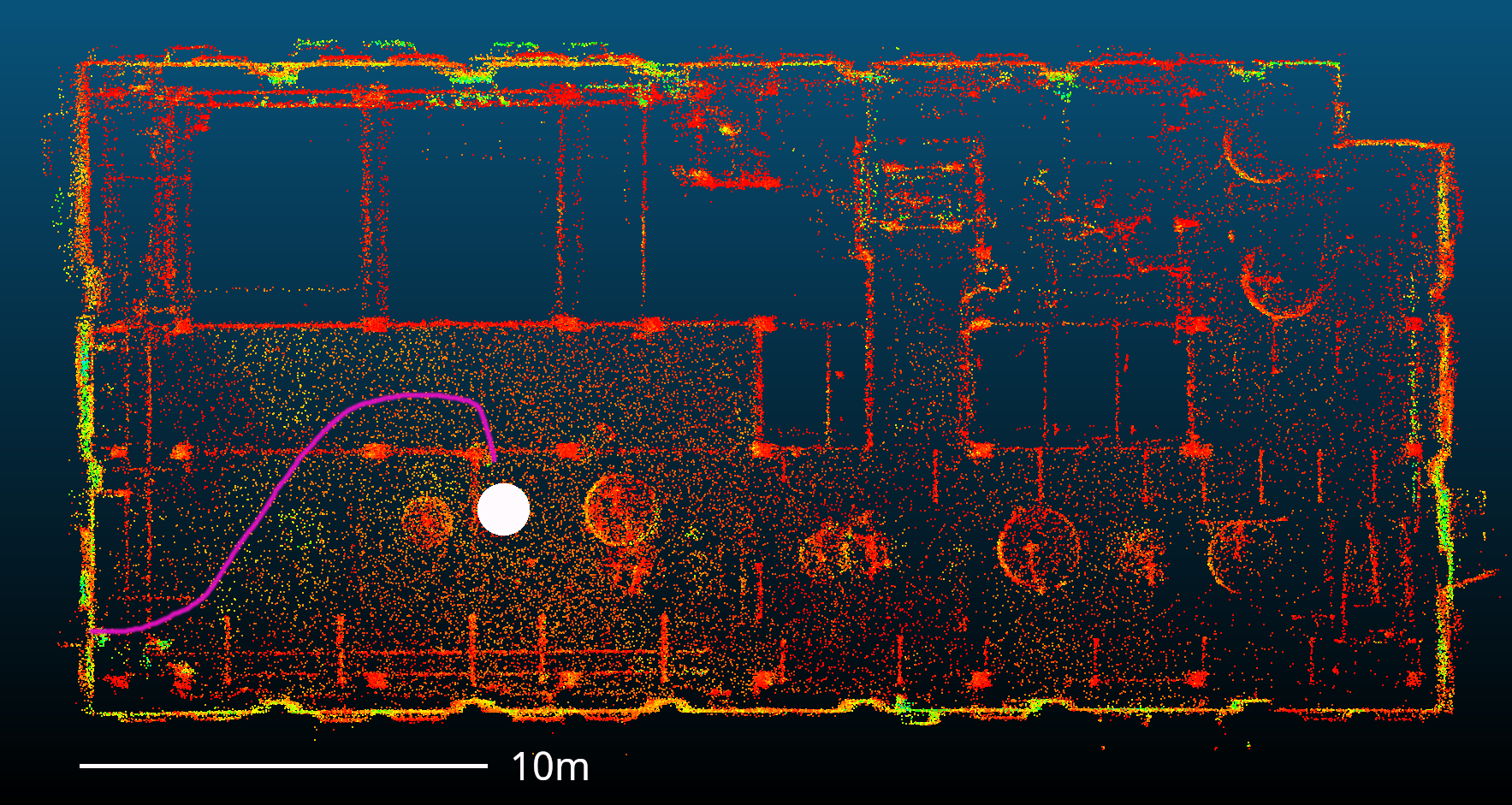
Topdown Path of UGV
The Future of Industrial Emergency Response
As industrial facilities become more complex, response capabilities must continue evolving alongside them.
Robotic systems, drones, remote inspection tools, wearable sensors, advanced gas monitoring, and real-time mapping technologies are already expanding the information and options available to emergency teams. Their greatest value may be found in situations where they allow responders to assess conditions, perform essential actions, and make better-informed decisions while reducing unnecessary exposure.
Experienced crews will remain at the center of industrial emergency response. Technology cannot replace the judgment developed through training and field experience. It can, however, help those crews see farther, reach deeper, and act more safely in environments that would otherwise remain inaccessible.
At GLIEC, safety has always been our first priority. Our work frequently involves complex industrial environments where planning, specialized equipment, disciplined procedures, and experienced personnel are essential.
While trained crews remain at the heart of every project, advances in robotics and remote-response technology offer an encouraging glimpse into the future of industrial safety. The chemical-plant deployment described in this field report demonstrates what can become possible when human expertise and specialized technology work together.
Keeping Industry Moving.
Safely. Efficiently. Responsibly.


